 English
 български
 Deutsch
 Español
 Polski
 Русский
 Română
 Türkçe
 Українська


Ravda after the summer season: a practical guide to the Black Sea coast in autumn and winter
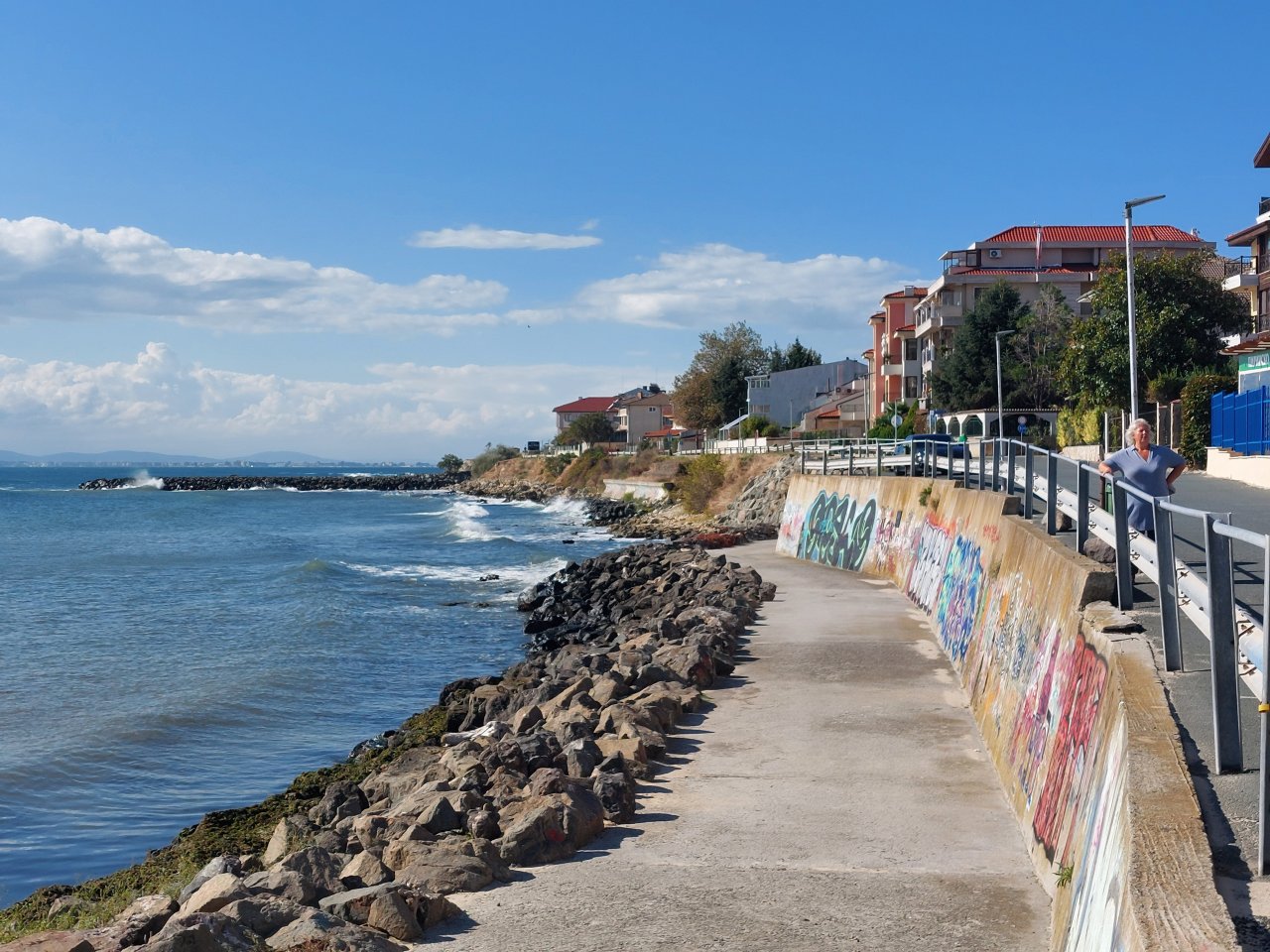
Most people meet the Bulgarian Black Sea in July, when beach umbrellas stand shoulder to shoulder and every terrace is full. Ravda is a different place in October. The sea still holds a little of its summer warmth, the pavements are free, and the promenade belongs to walkers, cyclists and the few families who stayed on. If you have ever wondered whether this small resort is worth visiting once the season fades, this guide gives an honest answer, and tells you exactly what to expect.
Where Ravda sits, and why that matters
Ravda is a small seaside resort a few kilometres south of Nessebar, in Nessebar Municipality, Burgas Province. It lies between Nessebar to the north and Aheloy to the south, right beside the main coastal road (E87). Roughly 2,770 people are listed as living here, which explains the unhurried feel once the holiday crowds leave.
The position is the real advantage. Burgas Airport is about 22 km to the south-west, and Burgas itself is about 33 km away. Sunny Beach, the coast's best-known party resort, adjoins the area, while the UNESCO-listed Old Town of Nessebar is a few minutes away on its own peninsula. In other words, Ravda gives you a quiet base with two very different neighbours close at hand.
The beaches, and what they are like in the quiet season
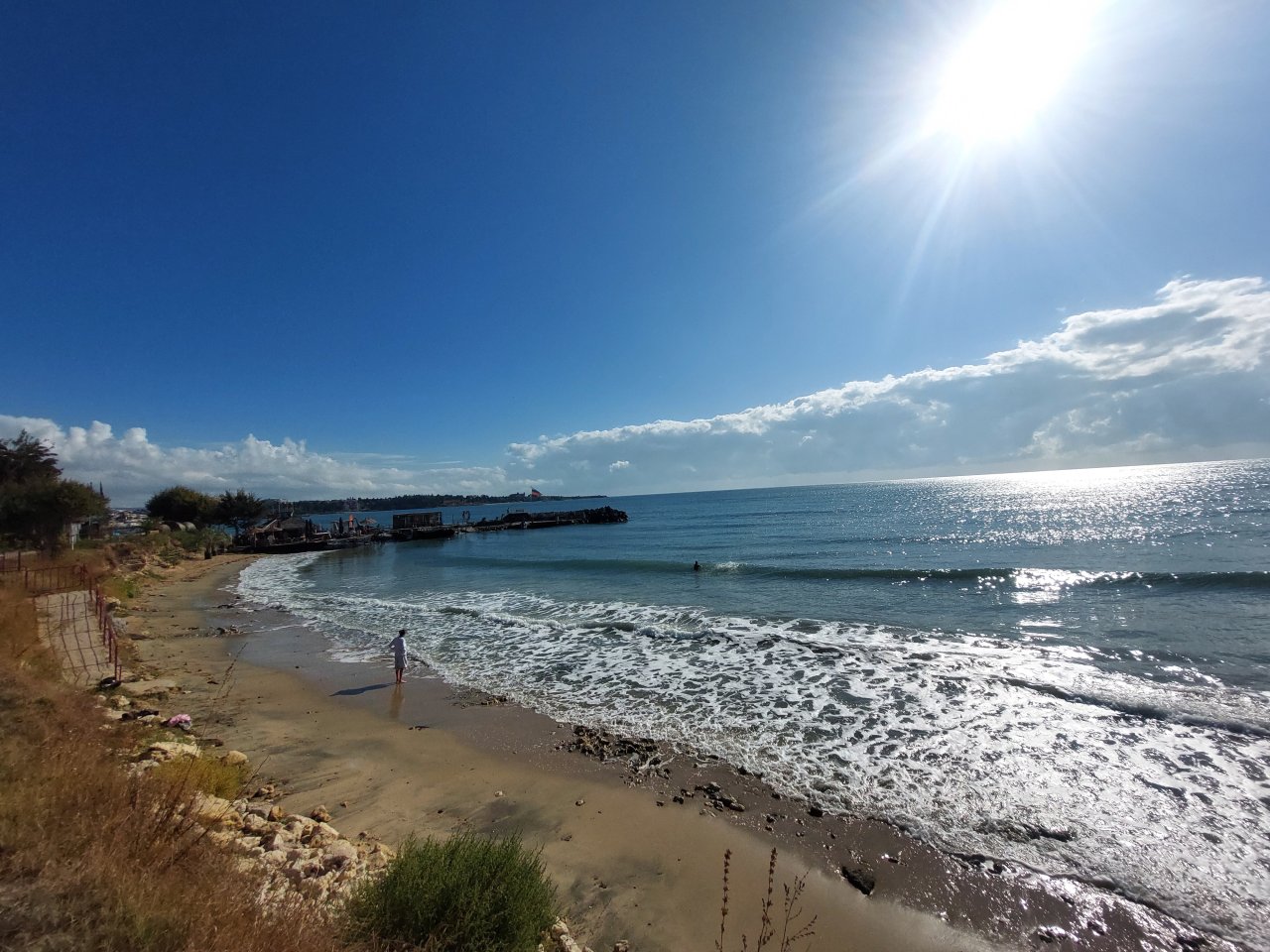
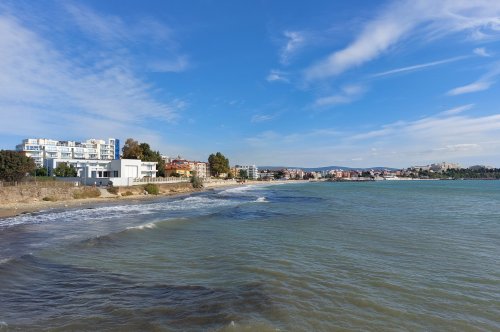
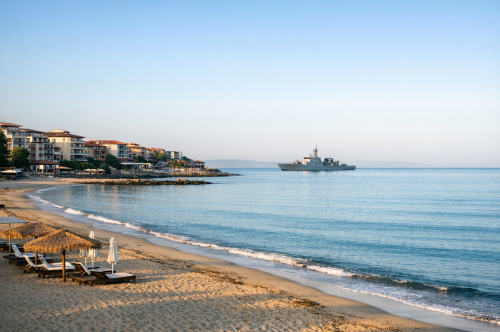
Ravda has two beaches, separated by a small rocky cape with sea views. The northern beach is longer but less scenic and generally less popular. The southern beach is a narrower strip of sand with small piers and beach buffets, and in summer it is where windsurfing, jet skiing, diving and yachting are on offer. A newly built seaside park gives panoramic views, and there are private rocky bays along the coast.
In autumn the useful point is simple: the narrow southern strip stops being crowded. Beach activity services are seasonal, so do not expect equipment hire or beach bars to be running in late October. What you do get is space, sound and light. A long walk along the sand with nothing but the sea for company is one of the best free things to do on this coast.
What the weather is really like
Forecasts are always approximate, but typical averages help you pack. For Sunny Beach, which shares the same stretch of coast, October highs average about 19.6°C, with lows falling toward 9.8°C as the month goes on. Rain becomes slightly more common, though only one or two wet days per month are typical. October is described as the last realistic beach month, while the sea itself is only described in general terms: it keeps some summer warmth into September and looks grey in winter.
Winter is cold and quiet. December highs average about 8.3°C with lows near freezing, and light snow is possible in January. March brings highs around 17.6°C but cool mornings. These are guide-site averages rather than official forecasts, so check the weather before you travel and bring layers for windy days.
What is open, and what is not
This is the part first-time off-season visitors most need to know. From November onward the resort side of the coast largely closes. Most hotels, restaurants, clubs and attractions shut once beach season ends, and by December almost everything is closed, apart from a handful of restaurants in Nessebar that serve locals. Even in March, many resort hotels and restaurants remain shut, though Nessebar itself is good for walking without crowds.
The practical advice: book a place that you have confirmed is open for your dates, check restaurants in advance, and plan to eat in Nessebar if Ravda feels empty. Do not assume that a hotel listed online is operating. A short message to the property before you book saves a long walk in the cold.
Nessebar: your reason to come in any season
Nessebar is the one place on this part of the coast that stays worth visiting all year. The town was originally an island, and a narrow man-made isthmus now links it to the mainland. A wooden windmill near the isthmus is described as its unofficial symbol, and crossing past it marks the move from the modern resort to the old settlement. The Old Town is a UNESCO World Heritage Site, inscribed in 1983, in recognition of the way Greek, Roman, Byzantine and Bulgarian civilisations built on top of one another.
The town is often called the "Pearl of the Black Sea" and was once known as the "Town of 40 Churches". Only about nine to eleven medieval churches survive, but they are remarkable:
- St. Sophia Basilica (5th–6th century) is the largest surviving ruin, a three-nave structure with arched windows.
- The Church of St. Stephen (10th–11th century, with interior work through the 18th century) holds more than 1,000 frescoes and now works as a museum.
- The Church of Christ Pantocrator (13th–14th century) is known for polychrome ceramic discs and red-brick decoration, and now houses an art gallery.
- The Church of St. John Aliturgetos is a roofless shell on the eastern cliff, with the sea behind it.
- The Church of St. John the Baptist (10th–11th century) is one of the oldest standing structures in town.
Beyond the churches, there are the remains of a Hellenistic Temple of Apollo, an Agora site, partly excavated 6th-century Roman baths, and traces of Thracian fortifications. The Archaeological Museum has four halls running from the Eneolithic period to the Bulgarian Middle Ages, with ship anchors, coins, marble reliefs, gold jewellery and icons.
Plan three to four hours for the Old Town, or half a day if you add lunch and a walk by the sea. Mornings are best for photographs and quieter lanes. A combination ticket covering seven municipal attractions was priced at around 35 BGN for adults in 2025, and individual church entries were roughly 5–9 BGN. Prices may have changed since then, so confirm current prices and opening hours locally before you go.
Getting around without a car
Public transport links Ravda, Nessebar, Aheloy and Sunny Beach, and local buses reach the Old Town in minutes. From Burgas, bus route 10 runs from Burgas South Bus Station roughly every 30 minutes, calling at Pomorie and Ravda; the journey takes about an hour and ten minutes. A taxi from Burgas Airport to Ravda costs roughly 25 euros according to one destination guide, so agree the price before you set off.
If you drive, remember that the Old Town of Nessebar is pedestrian-only. Park in the new part of town, where designated areas cost around 2 BGN per hour at the time of one guide's research. In winter, the water taxi and open-top tourist buses that serve Sunny Beach and Nessebar in summer are not a safe assumption, so rely on regular buses or a taxi.
A suggested three-day autumn plan
Day one: slow arrival. Settle in, walk the southern beach, then follow the seaside park for the view. Eat early, as kitchens may close sooner outside summer.
Day two: Nessebar. Cross the isthmus past the windmill, spend the morning among the churches, then take lunch in town. Finish at the Archaeological Museum if the weather turns.
Day three: the coast. Take the bus toward Burgas and Pomorie, or simply spend an unhurried day on the sea front. Aquapark Nesebar, about 2 km from Ravda's centre, is a summer attraction, so check whether it is open before planning around it.
Who should come, and who should wait
Ravda suits relaxed holidays and families with small children in summer, and it suits walkers and anyone who wants peace in the quiet months. If you want nightlife, a full choice of restaurants and organised activities, come between late May and September. If you want empty beaches and Nessebar without queues, October is the sweet spot, and spring offers peace before the season starts. Easter, in mid to late April, brings Bulgarian families and local celebrations.
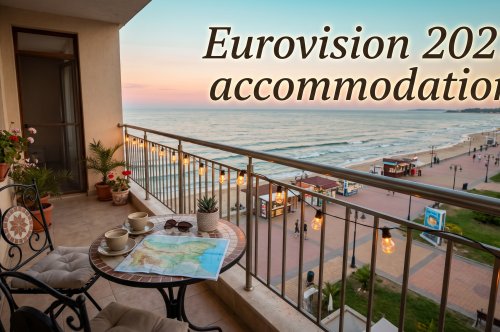
One more reason to plan ahead: the coast is preparing for a busy 2027. Burgas will host the Eurovision Song Contest, with the final on 15 May 2027, and the Bulgarian Hotel and Restaurant Association has urged the region to make the most of it. If you plan a trip around that date, expect demand and book early.
Plan your coast trip
Browse hotels, apartments and local businesses on bulgariaescape.com, and use the listings to confirm contact details before you travel.
Frequently Asked Questions
Newsletter
Join our subscribers list to get the latest news, updates and special offers directly in your inbox